

MINOT, N.D. – Minot State University elementary education student Jorja Short is weaving together culture, compassion, and leadership through her work with the CIRCLES Alliance and in local classrooms.
An enrolled member of the Turtle Mountain Band of Chippewa, Short brings Indigenous knowledge, empathy, and optimism into every space she enters. Now as she nears graduation, she looks to expand her knowledge and her horizons with graduate school.
Short took some time to visit with University Communications for the first installment of the Onward Q&A series in the Fall 2026 semester.
Tell us a little about yourself and what led you to join the elementary education (ELED) program at Minot State?
JS: My name is Jorja Short; I am from Dunseith, North Dakota, and I am an enrolled member of the Turtle Mountain Band of Chippewa. I am finishing my bachelor’s degree in elementary education. I chose Minot State because it helped me feel closer to my grandmother, who passed in 2020. She loved it here, and we were a lot alike. Being here makes me feel connected to her.
What inspired your decision to transfer from Turtle Mountain Community College, and how did that transition shape you?
JS: I almost went to Black Hills State, but I didn’t want to be far from my siblings. Coming here helped me grow. I’ve become more confident and learned to speak up. I was nervous leaving a place where everyone looked like me, but I learned not to fear change, and I’ve loved the people I’ve met.
How did you become involved with the CIRCLES Alliance?
JS: Dr. (Dan) Conn was my advisor and told me, “I have a job for you.” I didn’t know what that meant, but after the meeting, I was so excited. I had already been making Native-based lesson plans without realizing it. Being part of CIRCLES made me feel seen and valued, as my culture mattered in academic spaces.
As you near graduation, how excited and proud are you to accomplish this step in your academic career?
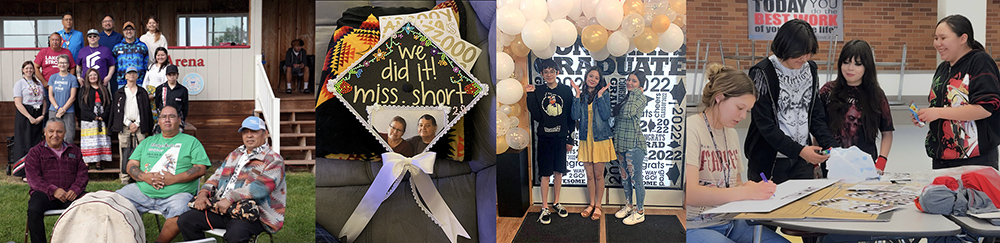
JS: As I near graduation, I feel incredibly proud of how far I have come. When I first came to Minot State, I did not fully understand how much I would grow. Not only as a student, but as a person. One of the biggest highlights of my undergraduate experience has been finding my voice and realizing that my experiences and perspective have value.
My professors have pushed me to think deeper about education and encouraged me to speak openly about the experiences of my community. My work with CIRCLES Alliance and helping reestablish the Native American Club at Jim Hill Middle School have also been especially meaningful. These experiences allowed me to share my culture, connect with other Indigenous students, and see the impact that representation can have.
I am proud to be graduating knowing that I am not finished learning. Minot State gave me the confidence to believe that I can be part of creating change for future generations.
Tell us about your next step: What program are you taking in graduate school, and what were some of the reasons you decided to pursue a master's degree?
JS: My next step is pursuing a master’s degree with a focus on curriculum and assessment. I chose this area because my undergraduate experience opened my eyes to how deeply curriculum, assessment, funding, and educational systems can affect students, especially Native American students.
Growing up near the Turtle Mountain Reservation, I saw many of these challenges firsthand, but I did not fully understand the systems behind them until I came to Minot State. My professors and my work with CIRCLES Alliance helped me realize that if I want to create meaningful change, I need to understand these systems more deeply.
I am also pursuing my master’s because I want to be an example for the youth in my community who have faced poverty, substance abuse, and difficult family circumstances. I was raised by my grandparents because my parents struggled with drug and alcohol addiction. My grandparents did an amazing job raising my siblings and me, and their strength continues to inspire me. I want young people to know their circumstances do not have to define their future. If I can overcome the challenges I faced and continue my education, I want them to believe they can do it too.
I am pursuing my master’s because I want to use what I learn to advocate for more culturally responsive and equitable education. My long-term goal is to help create educational environments where Indigenous students feel represented, supported, and proud of who they are. I see graduate school as the next step toward gaining the knowledge and tools I need to contribute to that work.
What projects have you worked on as a research assistant?
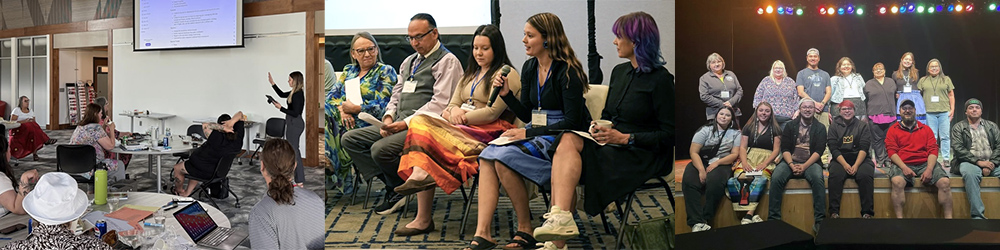
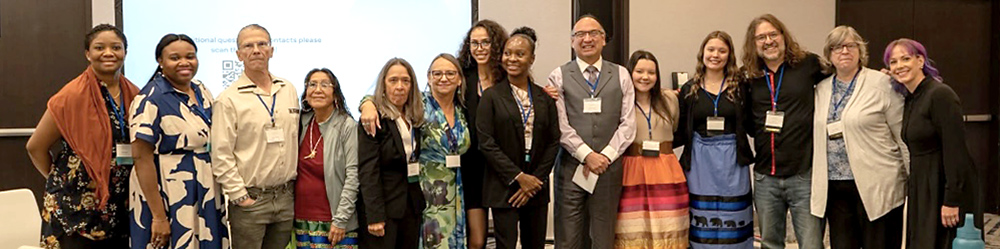
JS: I helped with STEAM Day at the pow wow, Native-based teacher workshops, worked at the Plum River Native Prairie, and presented on two panels at a national conference. I also helped start a culture club at Jim Hill Middle School and wrote for NDACTE. Each project pushed me out of my comfort zone and helped me grow.
What has been the most meaningful part of your work?
JS: The relationships. I gained mentors and close friends. Being part of CIRCLES showed me how powerful community can be both personally and professionally.
How did the summer reading program impact you?
JS: I worked with students who made huge progress. Watching a child go from struggling to write a sentence to doing it independently was incredible. It made me realize how much I want kids to experience the ‘magic” of learning, especially reading.
What advice would you give other students considering research or initiatives like CIRCLES?
JS: Do it. Work hard, be yourself, and have fun. It’s one of the most rewarding things I’ve ever done.
About Minot State University
Minot State University is a public university dedicated to excellence in education, scholarship, and community engagement achieved through
rigorous academic experiences, active learning environments, commitment to public service, and a vibrant campus life.
Published: 10/09/26


